
Humidity is the invisible force that can turn an enjoyable day into a sticky nightmare. Whether it’s the muggy summer months or the bone-dry winter chill, maintaining the ideal moisture levels in our homes and workplaces can feel like a never-ending battle. But fear not, dear readers, there is a solution to this humidity headache, and it comes in the form of a nifty little device called a humidity logger.
You see, trying to measure humidity levels without accurate data is like playing a game of blindfolded darts. You might get lucky, occasionally, but more often, you’ll end up way off the mark.
Enter the humidity logger, a pocket-sized wonder that can monitor and track moisture levels with a precision that would make even the most seasoned meteorologist jealous. These handy gadgets are like having a personal humidity guru on call, ensuring that your living and working spaces remain comfortably balanced no matter what Mother Nature throws your way.
But that’s not all. Using humidity loggers can also save you time, money, and many headaches down the line. From preventing costly mould remediation to preserving precious artefacts and optimising energy usage, these little marvels are game-changers regarding humidity logging.
Understanding Humidity and Its Importance.
Before diving into the humidity loggers, let us take a moment to understand humidity and why it is crucial to our everyday lives. Humidity, my friends, is the amount of water vapour present in the air, and it’s measured in two ways: relative humidity and absolute humidity.
Relative humidity is the ratio of the actual water vapour in the air to the maximum amount that the air can hold at a given temperature. On the other hand, absolute humidity is the exact amount of water vapour present in the air regardless of the temperature.
Now, you might be thinking, “But why should I care about some invisible water molecules floating around?” Well, my friends, maintaining ideal humidity levels is crucial for various reasons, and we’re not just talking about comfort here.
In our homes, for instance, improper humidity can wreak havoc on our health and well-being. Too much moisture can lead to respiratory issues, allergies, and even mould growth, while too little can cause dry skin and an increased risk of catching colds and flu. It is a delicate balance that can make or break your living experience.
However, humidity levels affect more than just our homes. In business settings, humidity control is essential for maintaining product quality, optimising production processes, and preserving valuable assets. Imagine trying to produce high-end chocolates in a room drier than the Sahara desert or attempting to protect ancient scrolls from crumbling to dust in a humidity-overloaded environment.
Let’s not forget the world of agriculture, where humidity control is a make-or-break factor for optimal plant health and crop yield. Maintaining the proper moisture levels in greenhouses and storage facilities can mean the difference between a bountiful harvest and a disappointing crop failure.
But what exactly are the ideal humidity levels for these various environments? Well, according to the Environmental Protection Agency, the sweet spot for indoor relative humidity is between 30% and 50%. If it is too high, you risk mould growth and other moisture-related issues. Too low, and you will deal with dry air and respiratory problems.
As for the signs of high or low humidity in your home, they can range from condensation on windows and musty odours from high humidity to static shocks and cracking wood from low humidity. If you are looking to improve your indoor humidity levels naturally, consider using houseplants, leaving the bathroom door open after showering, or investing in a good old-fashioned humidifier or dehumidifier.
How Humidity Loggers Work and Their Benefits.

Now that we have established the importance of humidity control, it is time to explore the inner workings of these trusty humidity loggers and why they are worth their weight in gold.
At their core, humidity loggers are equipped with sensors that can accurately measure and record humidity levels. These sensors can detect even the slightest fluctuations in moisture, giving you a real-time glimpse into your environment’s humidity levels.
But these little marvels do not stop at measuring humidity. They also have data logging capabilities that allow you to store and analyse your readings over time. Whether it is through internal memory, an SD card, or cloud storage…humidity loggers can keep a detailed record of your humidity levels, giving you a comprehensive view of how your environment changes throughout the day, week, or even month.
And if that n is not enough to make you say, “Shut up and take my money!” these bad boys also come equipped with many other features. We are talking about alarms that can alert you when humidity levels stray too far from the ideal range. These data tools can crunch the numbers and spit out insights that would make a statistician kneel, as well as connectivity options like Wi-Fi and Bluetooth that allow you to monitor your humidity levels from the comfort of your couch or your beach chair if you are feeling fancy.
But the real kicker is that using humidity loggers can save you time, money, and a whole lot of headaches in the long run. By preventing costly issues like mould remediation, damaged furniture, or wasted energy consumption due to ineffective climate control, these little guys more than pay for themselves in no time.
And let us not forget about the peace of mind that comes with knowing you have accurate data to maintain optimal conditions. No more guessing games or relying on that old “stick your finger in the air” method. With a humidity logger, you can rest easy knowing that your living or working space is perfectly balanced.
But what about improved decision-making? Well, by analysing the data trends provided by your trusty humidity logger, you can make informed adjustments to your environmental controls and optimise resource usage like a pro. It’s like having a personal humidity coach guiding you every step of the way.
Suppose you are a visual learner; fear not, many humidity loggers come with handy diagrams and infographics that can help you better understand their functionalities and how to use them effectively. Who doesn’t love a good visual aid?
Choosing the Right Humidity Logger for Your Needs.
With so many humidity loggers on the market, choosing the right one for your needs can be exhausting. But don’t worry, my humidity-conscious friends. We have got you covered with some practical advice that will help you navigate the logger landscape like a pro.
First things first, consider the features that matter most to you. Are you after something with ample data storage capabilities or perhaps a device that can sound the alarm when humidity levels go out of control? Maybe connectivity options like Wi-Fi or Bluetooth are a must-have for your tech-loving self. Whatever your priorities, write them down and keep them in mind during your search.
Next up is accuracy and measurement range. After all, what’s the point of investing in a humidity logger if it can’t give you reliable readings? Do your research and look for humidity loggers that offer precise measurements within the range you need, whether for your home or a vast industrial facility.
Let’s not forget about the budget. Let’s be honest: We all have our limits when it comes to spending on fancy gadgets. Thankfully, humidity loggers come in a wide range of price points, so you are bound to find one that fits your wallet without breaking the bank.
Now, when it comes to specific recommendations, we’ve got you covered. A basic logger with data storage and alarm capabilities might be all you need for indoor use. But suppose you’re dealing with outdoor environments or require more robust data analysis tools. Consider a logger with advanced features like Wi-Fi connectivity and cloud storage.
And for those seeking a real-life example of how choosing the suitable humidity logger can pay off, look no further than the tale of Bob, a passionate hobbyist who collects rare books. After investing in a high-quality logger with precise humidity control capabilities, Bob prevented costly damage to his prized collection, saving himself thousands of dollars in potential restoration costs. Talk about a happy ending!
But don’t just take our word for it – check out reputable product comparison websites and consumer reports to get the scoop on the latest and greatest humidity loggers on the market. After all, an informed decision is wise when it comes to these nifty little devices.
Using Your Humidity Logger Effectively.
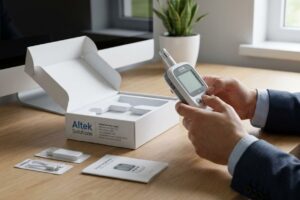
Alright, you have done your research, you have made your purchase, and now you are the proud owner of a shiny new humidity logger. But wait, there’s more! Effectively using your logger is key to ensuring you get the most out of your investment and maintain optimal humidity levels like a pro.
First things first, Proper placement is crucial for accurate readings. Avoid direct sunlight and draft areas because these can screw your results and leave you scratching your head in confusion. Instead, look for a spot representing the overall environment you are trying to monitor.
Next up is regular calibration. Just like any precision instrument, humidity loggers can drift over time. So, it’s important to keep them calibrated for consistent performance. Most manufacturers will recommend a calibration schedule.
Finally, data analysis and interpretation. Your humidity logger is a treasure of valuable information, but it’s up to you to identify the trends and adjust accordingly. Look for patterns, identify problem areas, be bold and adapt your environmental controls, or consider upgrades to maintain that perfect humidity balance.
Now we know you might have some burning questions, and here we are to answer them.
Where should you place your humidity logger in your home? Aim for a central location away from direct heat sources or drafts, and try to avoid bathrooms or kitchens where humidity levels can fluctuate rapidly.
How do you interpret the data from your humidity logger? Look for trends over time and identify any consistent spikes or dips in humidity levels. Then, use that information to make informed adjustments to your climate control systems.
Conclusion.
One thing is clear in the battle against humidity: Guesswork is no longer an option. You can say goodbye to days of sweaty discomfort and costly moisture with humidity loggers. If you feel extra adventurous, why not share your humidity-logging experiences in the comment section? We would love to hear your stories So what are you waiting for? Embrace the world of humidity loggers and take control of your environment like never before. Whether you are a homeowner seeking comfort or a business owner prioritising product quality, investing in these little marvels is the key to a more comfortable and cost-effective life.